Exploring Your Options: Different Types of Dental Implants for a Confident Smile

Desiree Gill • July 1, 2025

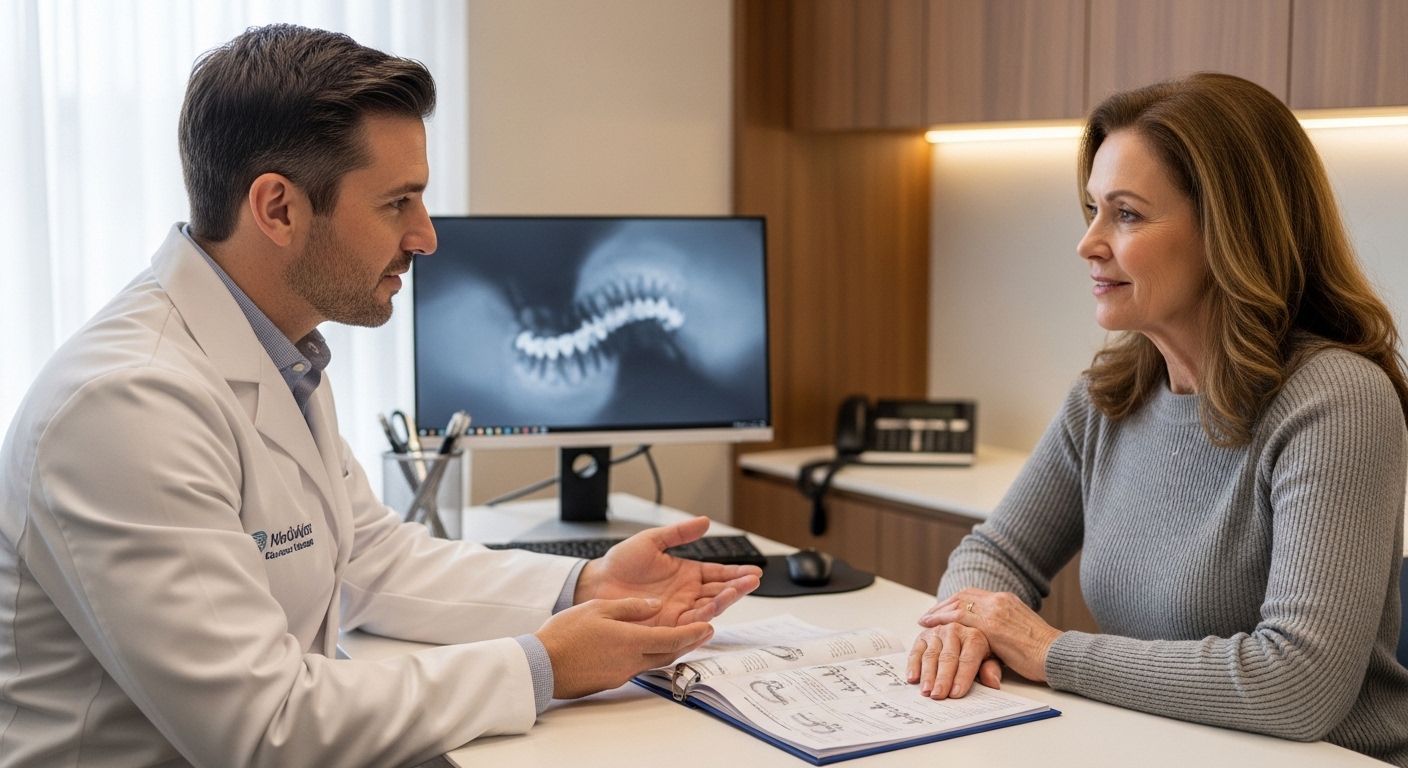
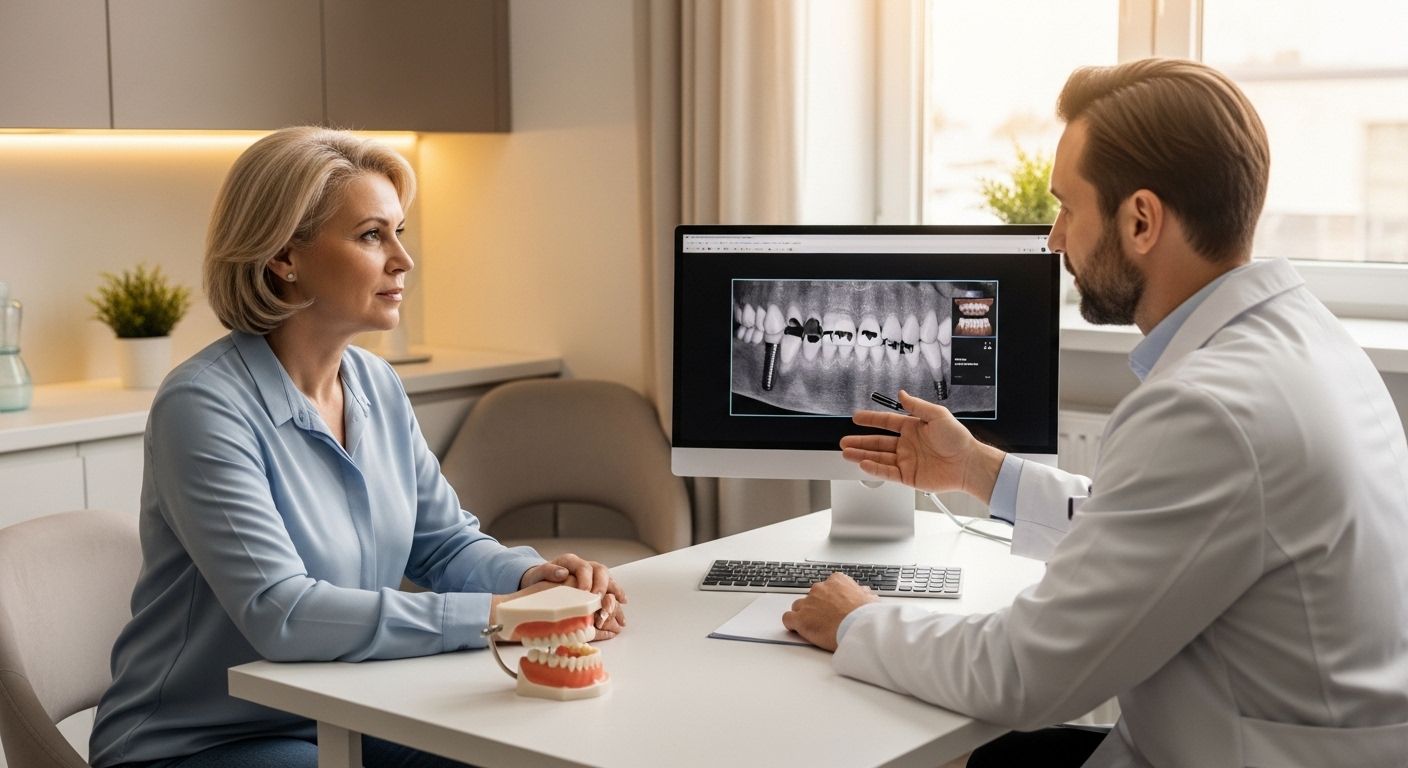
Dental implants have revolutionized the way individuals approach tooth restoration, offering a reliable and effective solution for missing teeth. These implants are small titanium posts surgically placed into the jawbone, acting as roots for artificial teeth. While the underlying concept of dental implants is consistent, the types available cater to different needs and circumstances. The diversity among these implant types arises from variations in their design, installation process, and the specific patient conditions they address. Delving into the different types of dental implants can help illuminate their benefits and how they contribute to a confident smile. Understanding these distinctions aids in making informed decisions regarding dental restoration needs.


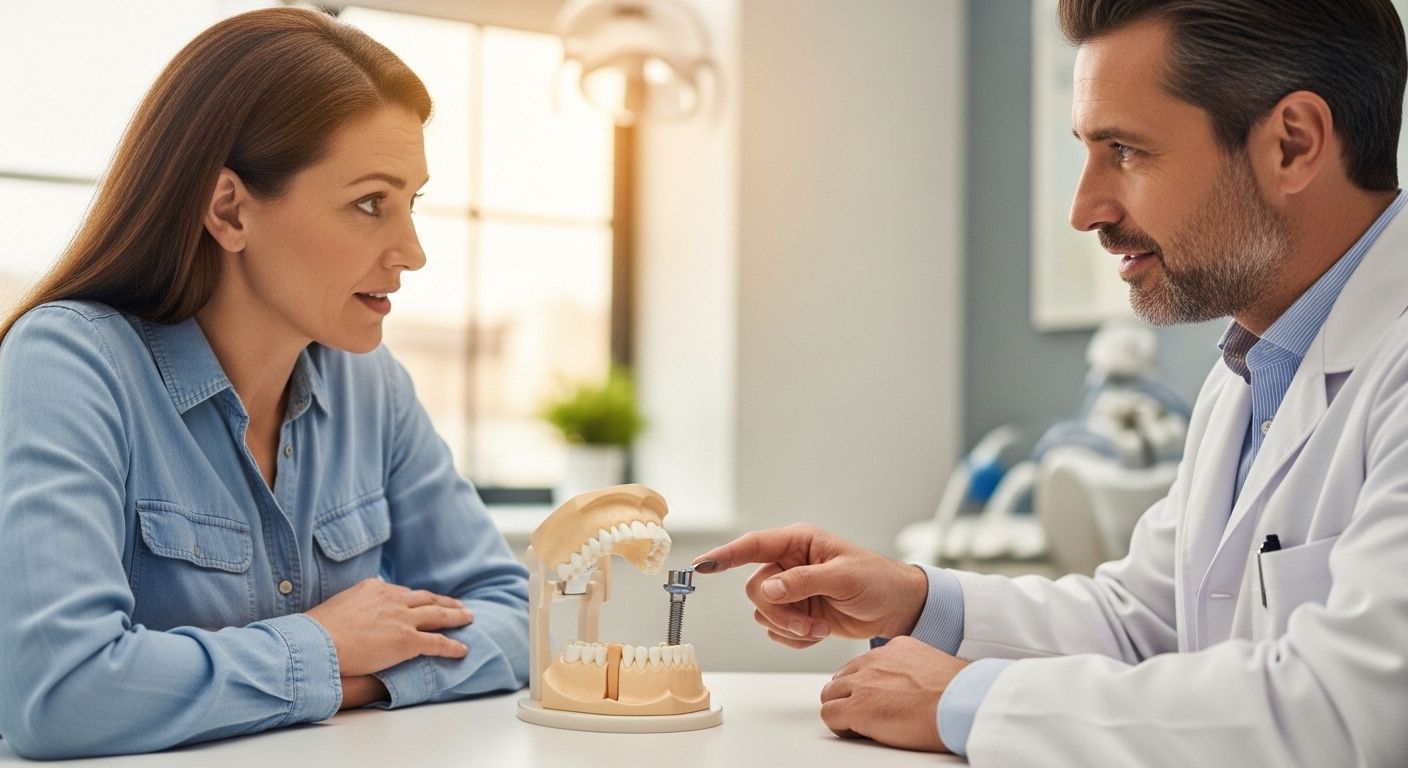
Choosing the right dental implant involves careful consideration of the type that best suits the patient’s dental anatomy and lifestyle needs. Endosteal and subperiosteal implants represent two primary categories, each with unique characteristics. Endosteal implants are the most common, inserted directly into the jawbone and providing strong and stable support for prosthetic teeth. In contrast, subperiosteal implants rest on the jawbone and are suitable for patients who have insufficient bone height or cannot undergo bone augmentation. Recognizing the structural differences between these implant types paves the way for tailored dental solutions. Conversations with dental professionals are key in evaluating which option is optimal for achieving long-term oral health.


Comparing Implant Types: Structure and Installation Insights


Conducting a deeper comparison of endosteal and subperiosteal implants reveals important considerations in structure and installation. Endosteal implants require adequate bone volume for successful integration into the jaw, often resembling small screws. The installation involves drilling into the bone to secure the implant, followed by a healing period during which the implant fuses with the bone. Subperiosteal variants, on the other hand, do not delve into the bone but instead rest atop it, with metal frameworks underneath the gum. This option is often recommended when traditional methods are not viable due to bone loss. Both types, while differing in their approach, contribute substantially to restoring ample dental function and aesthetics.


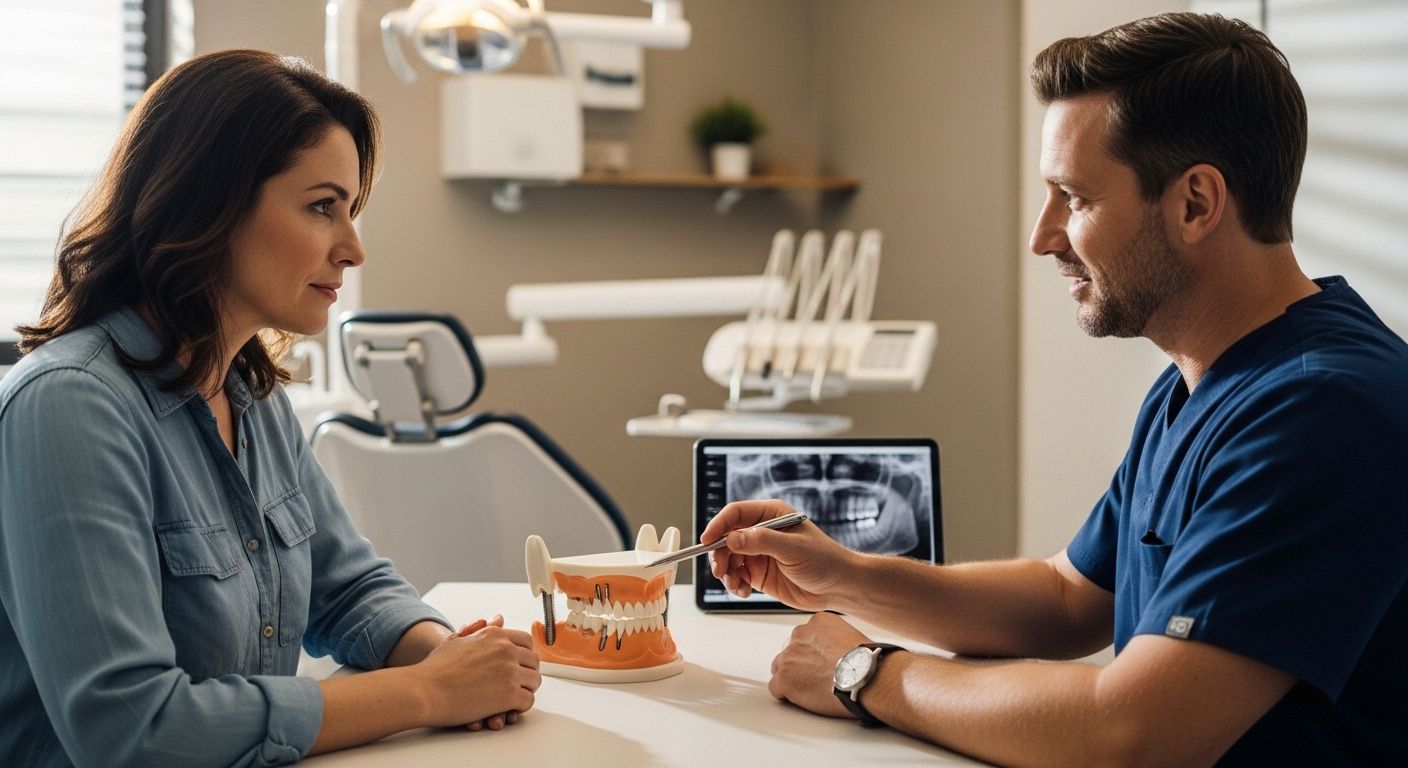
The choice between these implants also intersects with personal comfort levels and recovery expectations. While endosteal implants generally provide sturdier support, the procedure is more invasive, necessitating a lengthier recovery period. Subperiosteal implants tend to involve a less invasive procedure, offering quicker recovery but might not be suitable for all situations. Knowing the nuances between these options aids patients in discussing their preferences and constraints with their dental providers. Personalized consultations ensure development of a treatment plan focused on achieving a satisfying smile and improved oral wellness. No matter the choice, both implant types strive to uphold robust dental health.


Influence of Materials and Techniques on Implant Success


Beyond their type, dental implants also vary in the materials used and the procedural techniques applied for installation. Commonly, implants utilize titanium, celebrated for its strength and biocompatibility, fostering successful fusion with the jawbone. Alternative materials like zirconia offer metal-free options, catering to those with preferences for holistic approaches or metal sensitivities. Each material presents unique advantages, influencing factors such as durability, aesthetic appeal, and comfort. The decision regarding material should reflect individual needs and the desired outcome, ensuring that the implants align with lifestyle and health priorities.


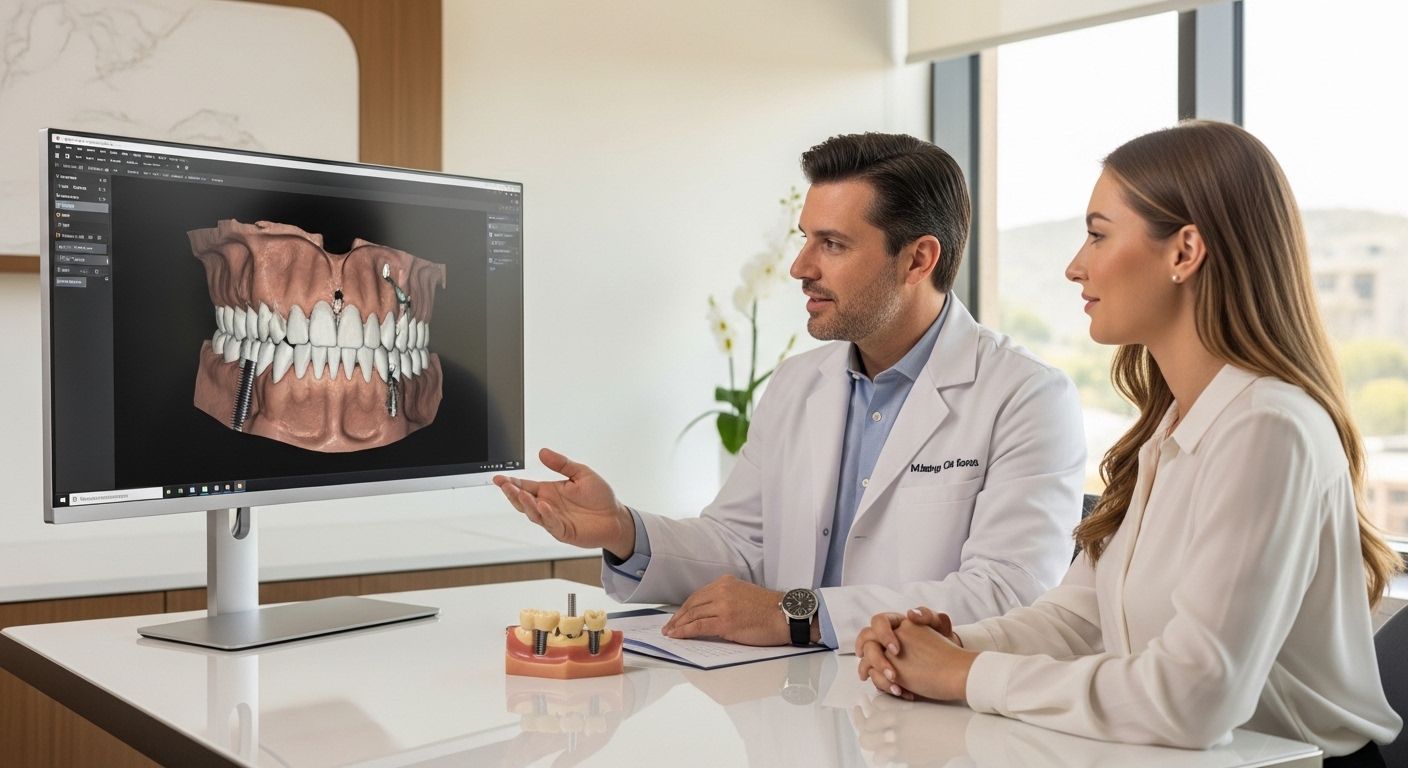
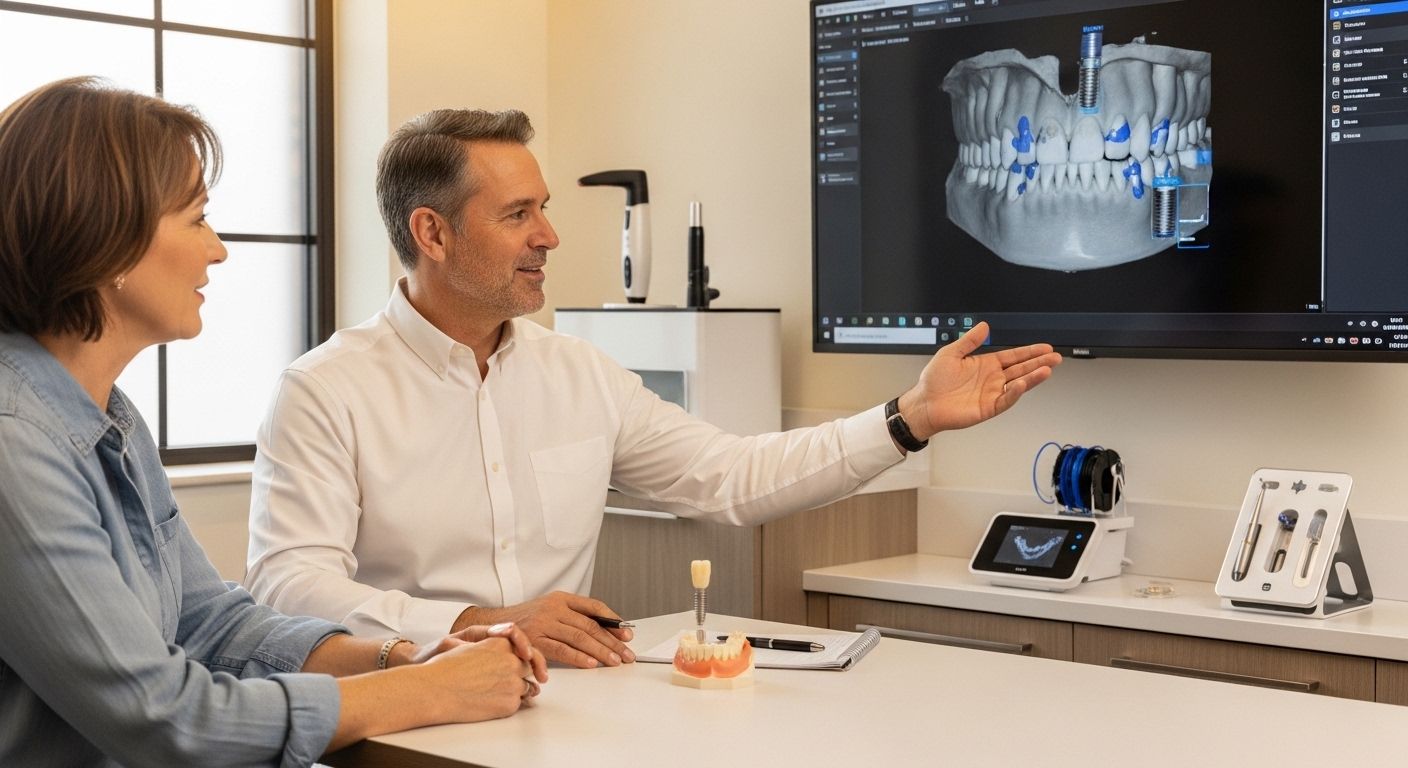
Procedures for placing different types of dental implants evolve with innovations in dental science, enriching the possibilities available to patients. Techniques such as guided implant surgery improve precision by utilizing 3D imaging to map the surgical site, enhancing accuracy and outcomes. Additionally, immediate-load implants can significantly compress treatment timelines by allowing temporary restoration placement during the same appointment. These advancements underscore the dynamic nature of dental implantology, leveraging state-of-the-art methods to redefine expectations for tooth replacement procedures. Patients benefit from these innovations, experiencing efficient and effective treatments aligned with contemporary dental practices.


Ideal Candidates and the Role of Emerging Trends


Determining candidacy for dental implants involves assessing several criteria, with bone density and overall oral health taking precedence. Candidates typically require sufficient bone mass to support implant integration, though bone grafting procedures can address deficiencies. Likewise, non-smokers with healthy gums present ideal scenarios for implant success due to reduced risk factors for complications. Importantly, candidate evaluation is personalized, respecting individual health profiles and history to identify the most suitable implant type and approach. With advancements in dentistry, even those once considered unlikely candidates may find viable solutions through innovative techniques and patient-focused strategies.


The landscape of implant dentistry continuously evolves, with cutting-edge trends and technologies enhancing possibilities for various patients. Mini implants provide feasible alternatives for those with minimal bone structure, while advances in digital dentistry promote increased accuracy and patient comfort. Regenerative techniques, enhancing bone and tissue health, further push the boundaries of candidate eligibility, fostering new opportunities for complex cases. As innovations progress, they supplement the foundational principles of dental implants, paving paths to success and broader access to individuals seeking restorative dental solutions. Here at Guru Dentistry, we stay at the forefront of these advancements, ensuring our patients receive the best care informed by the latest dental science.


Are you ready to restore your smile at our skilled and trusted dental practice? Don't wait to get the smile of your dreams with us. Get in contact with our doctor, Dr. Vanila and our exceptional team at our practice to schedule an appointment today!
Close up X-Ray image of a screw implant post in a human jaw bone that shows how the screw threads gr
By Progressive Dental February 5, 2026
Discover how a dental implant screw ensures stability in Irvine, CA. Learn about the procedure, benefits, and if it's right for you. Read more now!
Close up animated diagram of a dental implant and surrounding bone. The implant consists of 3 parts:
By Progressive Dental February 3, 2026
Dental implants are a modern solution for missing teeth, restoring your smile & confidence. Learn more about the procedure and benefits!
By Progressive Dental January 22, 2026
Dental implants restore smiles by replacing missing teeth with durable, natural-looking fixtures that act like real roots. In this guide you’ll learn what dental implants are, who makes a good candidate, the types of implant treatments, modern technology that improves success, and practical steps to get started with dental implants in Irvine, CA. What Are Dental Implants And How Do They Work? Dental implants are small titanium posts placed into the jawbone to replace tooth roots. A complete implant restoration has three parts: the implant (the post), the abutment (the connector), and the crown (the visible tooth). Together they give a stable, natural feel. Osseointegration is when the implant fuses to the bone. This fusion creates a strong anchor that lets you chew like you would with natural teeth. Good osseointegration lowers the chance of movement or failure and helps the implant last many years. Who Is A Good Candidate For Dental Implants? Ideal candidates have healthy gums, enough jawbone to support an implant, and are non-smokers or willing to quit. Good general health and controlled medical conditions also help recovery and success. Common barriers include significant bone loss, uncontrolled diabetes, certain cancer or bone medications, and heavy smoking. Many barriers can be addressed—bone grafts, medical clearance, or quitting smoking—so an evaluation is needed. Evaluations Your Dentist Will Perform Clinical exam of teeth and gums Dental x-rays and CBCT 3D imaging to check bone and anatomy Medical history review, including medications and chronic conditions Bite and function assessment to plan the final restoration Types Of Dental Implant Treatments And Typical Timeline Treatment depends on how many teeth need replacing. Single-tooth implants replace one tooth. Implant-supported bridges span multiple missing teeth. Full-arch solutions like All-on-4 replace an entire arch with fewer implants. Timelines vary: single implants often require 3–6 months healing before the final crown. Full-arch cases can be faster with modern protocols. Same-Day Vs. Staged Implant Approaches Immediate loading (same-day) places a temporary tooth on the implant the same day it’s placed. This is possible when stability is high and bone quality is good. Staged approaches place the implant first, allow months for osseointegration, then attach the final crown. Immediate loading shortens time but isn’t right for every case. Advanced Dental Implant Technology That Improves Success CBCT 3D Imaging — precise planning and safer placement BLAST Implant Technology — surface treatments that help faster, stronger bone integration Digital Smile Design — lets you preview esthetic outcomes and customize your smile Other Tech That Helps Patients CAD/CAM same-day crowns let some patients get a final crown faster. IV sedation and certified sedation dentistry help anxious patients stay comfortable during surgery, improving the overall experience. Costs, Financing, And Insurance For Dental Implants In Irvine, CA Costs depend on the number of implants, need for bone grafting or sinus lifts, lab fees for crowns or prostheses, and whether a specialist performs surgery. Full-arch solutions cost more upfront but often provide better long-term value than repeated denture care. Insurance may cover parts of the work (like extractions or some prosthetic fees) but often limits coverage for implants. Always check your plan and ask for a pre-treatment estimate. How Patients Can Afford Dental Implants Wells Fargo patient financing CareCredit LendingClub Scratch Pay Many practices offer in-house payment plans or combine financing options. Ask your office for a cost breakdown and pre-approval to compare monthly payments. Why Choose Guru Dentistry For Dental Implants In Irvine, CA & How To Get Started Guru Dentistry offers modern implant care with CBCT planning, BLAST technology, Digital Smile Design, All-on-4 options, and sedation services. The team is multilingual (Spanish, Hindi, Punjabi) and focused on patient comfort. Providers include Dr. Vanila Godara and Dr. Jerome Peterson, whose combined experience covers oral surgery, implants, full-mouth reconstruction, and sedation dentistry. At your consultation expect an exam, imaging (CBCT/x-rays), medical history review, a clear treatment plan, and a financing discussion. If you’d like to learn more or request a consult, call the office or use the online form to schedule an appointment. A short visit will tell you whether dental implants are the right solution to restore your smile.
By Progressive Dental January 22, 2026
Finding the right dentist in Irvine, CA matters for your health, comfort, and long-term costs. This guide explains what to check, which services and technology matter, how to evaluate patient experience, and the questions to ask at your first visit. Use these steps to pick a dentist you trust and to avoid common pitfalls. Read each section and make a short checklist before you book. By the end you’ll know how to compare offices and where to start your search for a reliable dentist in Irvine, CA. Why Choosing The Right Dentist In Irvine, CA Matters Your choice of dentist in Irvine, CA affects more than cleanings. A skilled dentist prevents small problems from becoming urgent, limits costly work later, and keeps you comfortable during treatment. Good care improves oral health, reduces pain, and protects your general health. Choosing the right dentist also saves time and money. A provider who uses modern diagnostics and follows clear treatment plans will give more predictable outcomes and fewer surprises down the road. What To Check First When Evaluating A Dentist In Irvine, CA Start with credentials, training, and fit for your needs. A few quick checks tell you a lot about safety and quality. Licenses, Board Certifications, And Training Verify the dentist’s license on the California Dental Board website. Look for board exams, specialty training, and continuing education. Board certifications and recognized training show the provider follows safety standards and current best practices. Experience With Your Specific Needs Match experience to your needs. If you need implants, TMJ care, sleep apnea treatment, pediatric dentistry, or sedation, confirm the dentist has documented experience with those services. Ask how many similar cases they treat each year and for before/after examples. Services & Technology To Look For In A Dentist Near Irvine, CA Modern tools improve diagnosis, comfort, and outcomes. When evaluating a dentist near Irvine, CA, look for: CBCT 3D imaging for precise implant and airway planning CAD/CAM same-day crowns to reduce visits Digital Smile Design for predictable cosmetic results IV sedation and certified sedation options for anxious patients All-on-4 and BLAST implant technologies for full-arch care Vivos system for airway-focused sleep apnea treatment Laser periodontal therapy for less invasive gum treatment These technologies don’t guarantee results alone, but they let an experienced dentist deliver safer, faster, and more predictable care. Patient Experience: Comfort, Communication, And Access To Care With A Dentist In Irvine, CA Patient experience matters as much as technical skill. When checking offices, pay attention to: Languages spoken (look for Spanish, Hindi, Punjabi if relevant) Office hours and weekend availability Virtual consults and easy scheduling for follow-ups Clear, written cost estimates and financing options Insurance friendliness and assistance with claims Read reviews and look for consistent themes: clear communication, punctuality, and honest billing. Watch for lots of vague praise without specifics—that can be a red flag. Questions To Ask At Your First Visit To A Dentist In Irvine, CA Bring a list and ask directly. Useful questions include: What are the steps in my treatment plan and expected timeline? What will the total cost include? Are there alternatives? What sedation options do you offer and who supervises sedation? How do you handle emergencies outside office hours? For implants or full-mouth work: Can I see before/after cases and CBCT-based plans? For TMJ or sleep apnea: What testing and outcomes should I expect? When To Choose A Specialist Vs. A General Dentist By Irvine, CA General dentists handle most routine care and coordinate complex treatment. See a specialist when cases require advanced surgery or focused expertise: Oral surgeon for complex extractions, bone grafts, or advanced implant surgery Periodontist for severe gum disease or specialized gum surgery Orthodontist for braces or complex tooth movement TMJ or orofacial pain specialist for chronic jaw pain or facial pain A good general dentist will refer when needed and manage follow-up care, ensuring you get the right team for your case. About Guru Dentistry Guru Dentistry serves Irvine, CA with a multilingual team and advanced technology. The practice offers CBCT 3D imaging, Digital Smile Design, IV sedation, All-on-4 implants, BLAST implant protocols, Vivos airway therapy, and same-day CAD/CAM crowns. Dr. Vanila Godara and Dr. Jerome Peterson combine surgical and reconstructive experience with a patient-first approach and clear financing options. How To Book Your Visit And What To Expect At Your First Appointment With A Dentist In Irvine, CA To prepare, bring ID, recent dental X-rays if you have them, a list of medications, and your insurance card. Expect a medical history review, exam, any needed imaging (CBCT if indicated), and a discussion of treatment options with timelines and costs. Most offices will offer a follow-up plan and written estimate. Ready to schedule an exam or a virtual consult with a trusted dentist in Irvine, CA? Contact the practice directly to set up an appointment, ask about financing through Wells Fargo, CareCredit, LendingClub, or Scratch Pay, and request a virtual consult if that’s easier for you.
By Progressive Dental January 22, 2026
The body content of your post goes here. To edit this text, click on it and delete this default text and start typing your own or paste your own from a different source.
Close up image of a dentist placing a front tooth implant into a patient's mouth, showcasing the pre
By Progressive Dental January 22, 2026
Explore front tooth implant options in Irvine, CA. Learn about costs, timelines, and candidacy. Discover if a tooth implant is right for you.
By Progressive Dental December 20, 2025
Looking for a dentist who does implants near me in Irvine, CA? Learn how to choose the best provider for your needs. Read more now!
By Progressive Dental December 15, 2025
Considering denture implants irvine ca? Discover stability, costs, & treatment options. Read more about implant options here!
By Progressive Dental December 10, 2025
Considering teeth surgery? Discover common procedures, recovery tips, and how to choose the right provider. Learn more today!
By Progressive Dental December 5, 2025
Fixing broken teeth? Discover non-implant options like bridges, dentures & bonding. Learn more about restoring your smile's function!