Gum Disease Treatment Near Irvine, CA: Guru Dentistry's Expert Guide
Progressive Dental • October 15, 2025
Gum Disease Treatment Near Irvine, CA: Guru Dentistry's Expert Guide
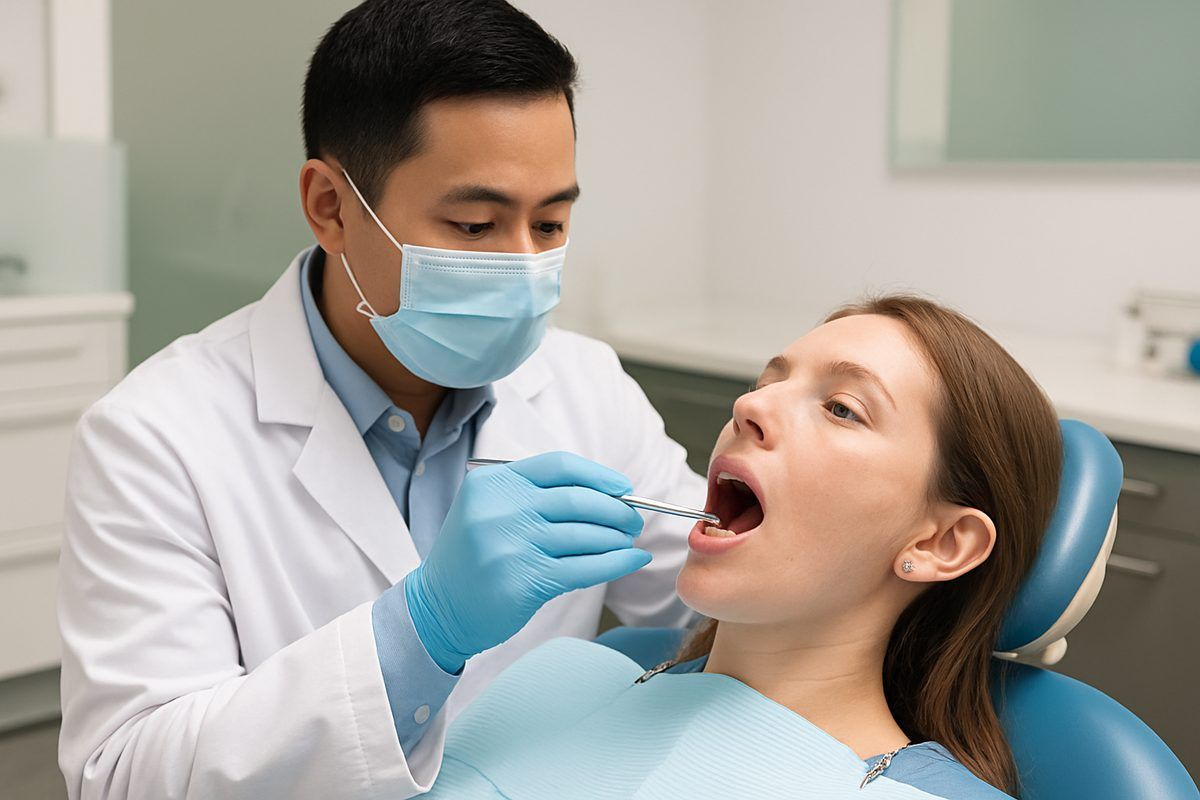
Gum disease is an infection of the gums and tissues that hold your teeth in place. It starts quietly and can get worse over time. Early treatment matters because it can stop tooth loss and lower the risk of health problems like heart disease and diabetes complications. This guide focuses on gum disease treatment irvine ca and explains what patients can expect—from signs and diagnosis to treatment options and follow-up care.
What Is Gum Disease?
Gum disease begins as gingivitis, which is inflammation of the gums. Gingivitis causes redness, swelling, and bleeding but can be reversed with good care. If left untreated, it can progress to periodontitis. Periodontitis causes the bone and tissue that support teeth to break down. Over time this can lead to loose teeth and tooth loss. Periodontitis is also linked to systemic problems like increased inflammation and higher risk for heart and lung issues.
Common Causes & Risk Factors
- Poor oral hygiene: Not brushing and flossing lets plaque build up. - Smoking: Tobacco use weakens gum healing. - Diabetes: High blood sugar raises infection risk. - Genetics: Family history can increase susceptibility. - Certain medications: Some drugs reduce saliva or cause gum changes. - Stress: Lowers immunity and can worsen gum disease. - Pregnancy and age: Hormone changes and aging raise risk. Knowing these helps you and your dental team prevent and treat gum disease.
Signs and Symptoms to Watch For
Early signs include gums that bleed during brushing, bad breath that won’t go away, and gums that look red or swollen. Advanced signs include gums that pull away from teeth, loose or shifting teeth, pus around the gums, and a change in your bite. If you notice any of these, seek gum disease treatment irvine ca sooner rather than later.
How Gum Disease Is Diagnosed for gum disease treatment irvine ca
Diagnosis starts with a clinical exam. A dentist or periodontist will measure the depth of the pockets around your teeth using periodontal probing. X-rays or CBCT 3D imaging check bone loss under the gums. Your provider will also review your medical history to assess risks like diabetes or smoking. Advanced 3D imaging can help plan precise treatments and implants if needed.
Non-Surgical gum disease treatment irvine ca
Non-surgical care is often the first step to control infection and stop disease progression.
Scaling & Root Planing (deep cleanings)
Scaling and root planing remove plaque and hardened tartar above and below the gum line. The procedure smooths the tooth roots so gums can reattach. SRP is used when pockets are deeper than normal but bone loss is limited. It usually needs one or more visits and follow-up checks.
Adjuncts: antibiotics & antimicrobials
Local antibiotics may be placed into pockets, or oral antibiotics may be prescribed when infection is widespread. Antimicrobial rinses and gels can also help. These are used along with deep cleaning to reduce bacteria and speed healing.
Laser periodontal therapy (LANAP)
Laser therapy like LANAP can remove diseased tissue while leaving healthy tissue intact. Benefits often include less bleeding, reduced pain, and faster healing. Laser options may be recommended for certain patients who want a less invasive approach.
Surgical & Advanced Treatment Options
Surgery is considered when non-surgical care can’t control deep pockets or regenerate lost tissue. Flap surgery exposes roots and allows deeper cleaning. Bone grafts rebuild bone lost to disease. Soft-tissue grafts replace receding gum tissue to protect roots and improve appearance. For teeth lost to severe periodontitis, implant-based solutions can replace missing teeth. Advanced tools like CBCT 3D imaging and BLAST implant tech improve planning and long-term outcomes.
Maintenance: Preventing Recurrence After gum disease treatment irvine ca
After treatment, maintenance is crucial. Brush twice daily with a soft brush and fluoride toothpaste. Floss or use interdental cleaners once a day. Consider an antimicrobial mouth rinse if recommended. Quit smoking to help healing. Periodontal maintenance visits every 3–4 months are often needed to remove buildup and monitor pocket depths. Staying on schedule lowers the chance of recurrence.
Costs, Insurance & Financing for gum disease treatment irvine ca
Costs depend on severity and procedures needed. Simple deep cleanings cost less than surgery, grafts, or implants. Insurance may cover preventive care and some periodontal treatments but often has limits. Many practices offer financing through partners like CareCredit, Wells Fargo, Lending Club, or Scratch Pay to help manage out-of-pocket costs. Ask your provider for an estimate and payment options.
How to Choose a Provider for gum disease treatment irvine ca
Look for providers with credentials and experience in periodontal care and implant dentistry. Check that they use modern diagnostics like CBCT and offer laser therapy if you prefer minimally invasive options. If you have anxiety, ask about sedation choices such as IV sedation. Read patient reviews about communication, comfort, and results. A clear treatment plan and follow-up schedule are signs of good care.
Finding gum disease treatment irvine ca — About Guru Dentistry
Guru Dentistry in Irvine offers full-service care with a focus on comfort and advanced treatments. The team speaks Spanish, Hindi, and Punjabi to serve diverse patients. They use CBCT 3D imaging, LANAP laser therapy, BLAST implant technology, and same-day crowns to deliver efficient care. Dr. Vanila Godara and Dr. Jerome Peterson combine expertise in implants, oral surgery, sedation, and complex restorative work for comprehensive gum disease treatment irvine ca patients may need.
Ready for gum disease treatment irvine ca?
If you have signs of gum disease or want an evaluation, schedule a periodontal assessment soon. Guru Dentistry offers financing options and sedation for anxious patients. Early evaluation can protect your teeth and overall health—don’t wait to get care. Contact the office to book an exam and discuss a treatment plan tailored to your needs.
Navigating Workers' Compensation: Finding the Right Dentist
Exploring Affordable Options for Dental Implants
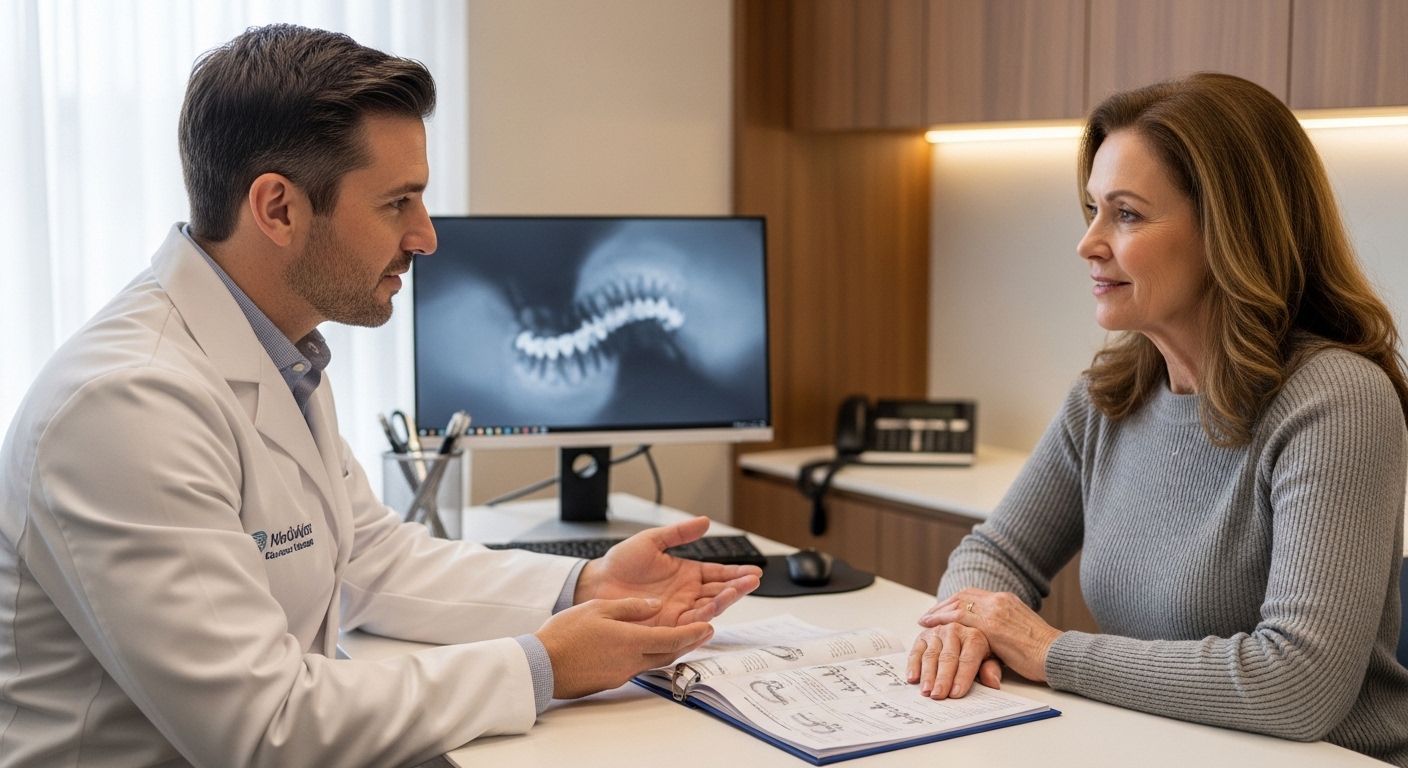
The Complete Guide to All-on-4 Dental Implants Costs in Irvine
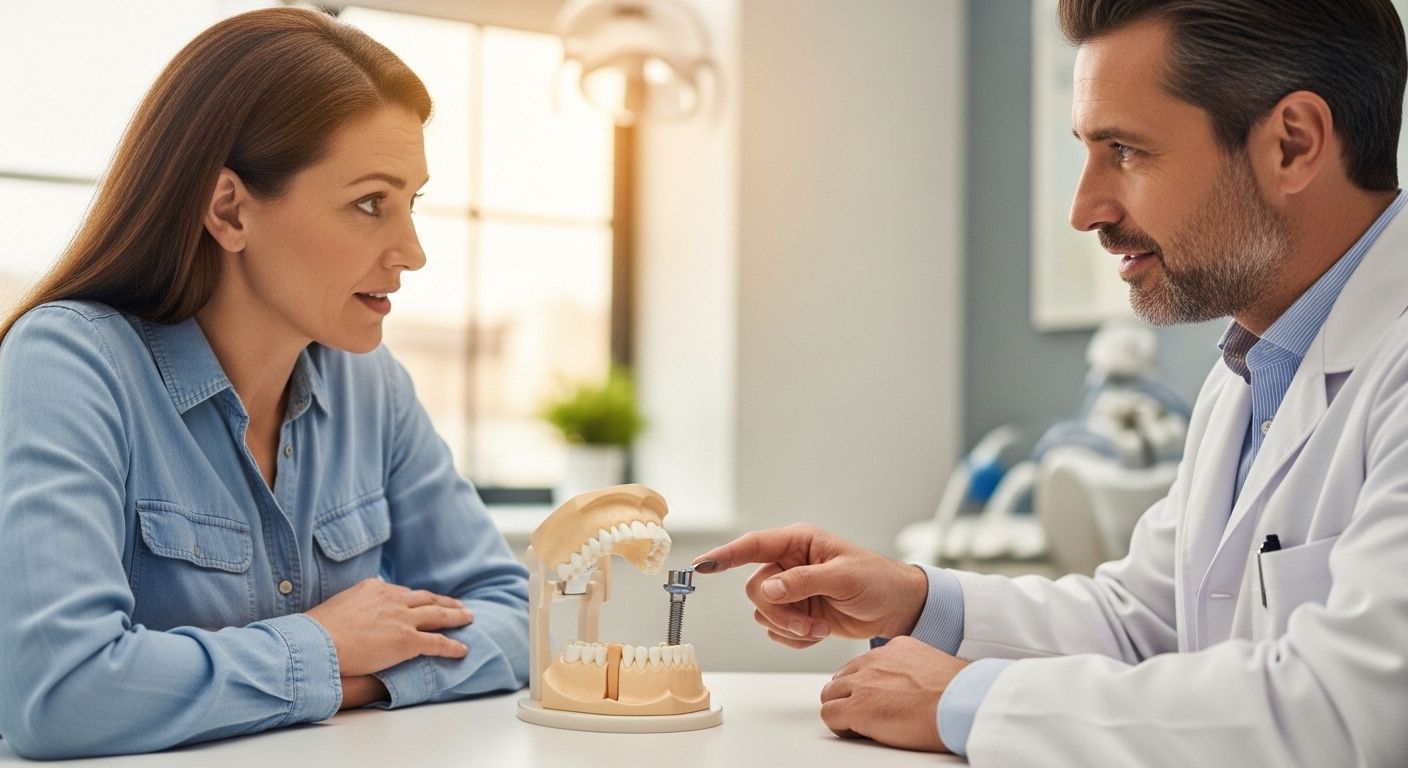
Dental Implant Candidacy

Dental Implant Benefits
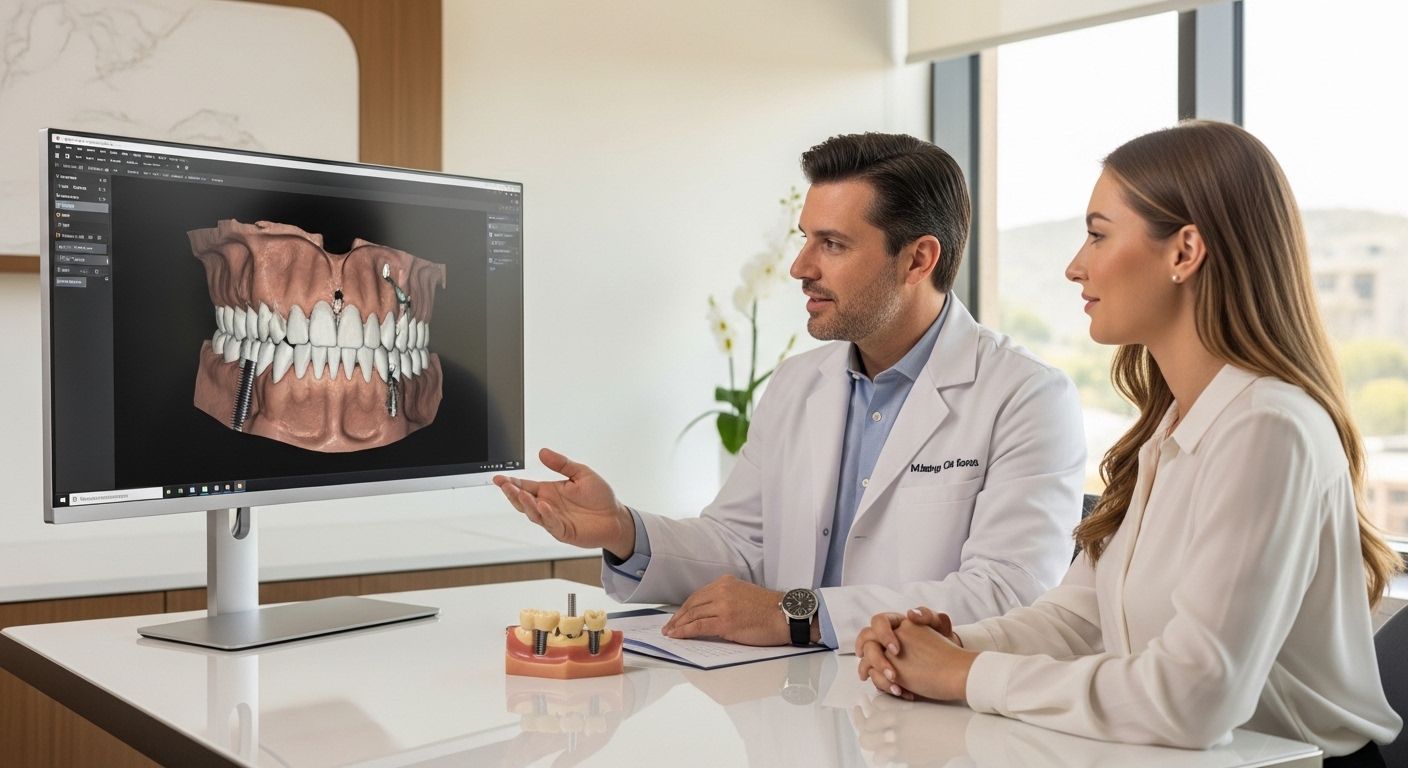
Affordable Dental Options

Recovery Timeline for Dental Implants
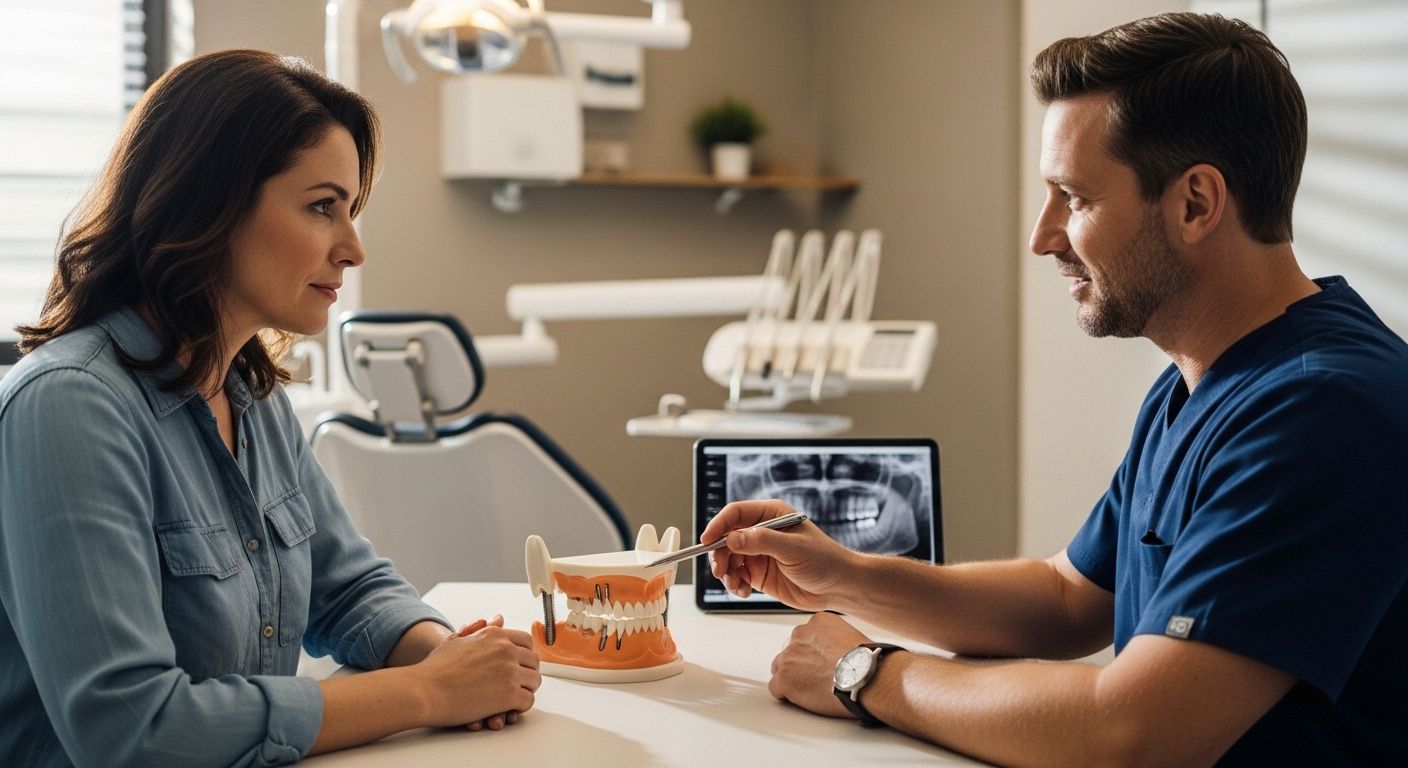
Thinking about getting dental implants but worried about the cost? You're not alone. Dental implants are an effective and permanent solution for missing teeth, but many patients are concerned about the investment required. Fortunately, low price dental implants are within reach if you know where to look and what to consider. Understanding Affordable Dental Implants Dental implants offer more than just cosmetic benefits—they enhance your ability to eat and speak with ease, and they help preserve jawbone structure. Finding low price dental implants can make this transformative treatment accessible without breaking the bank. How to Find Low Price Dental Implants Start by researching dental clinics in your area that offer competitive pricing. Prices can vary widely, so it's a good idea to compare several providers. Remember that location can impact cost—clinics in major cities may offer different rates compared to those in smaller towns. Choosing Budget-Friendly Dental Implant Providers When selecting a provider, consider their experience and the range of services offered. Dr. Vanila Godara at Godara Family Dentistry in Irvine, CA, provides comprehensive care and advanced technology, ensuring that budget-friendly dental implants are performed with precision and patient comfort in mind. Tips for Saving Money on Dental Implants Insurance can cover a portion of the cost, so check with your provider. Additionally, many dental practices offer financing plans to spread the expense over time. Timing your treatment strategically, such as during special promotions, can also save money. When to Reach Out for Professional Advice Before committing to any procedure, scheduling a consultation to discuss your specific needs is crucial. At Godara Family Dentistry, we tailor treatment plans to fit your budget and oral health goals, ensuring a personalized and comforting experience. Don't let high costs deter you from getting the dental care you need. Contact Godara Family Dentistry today to schedule a consultation and explore your options for achieving a healthy, complete smile.
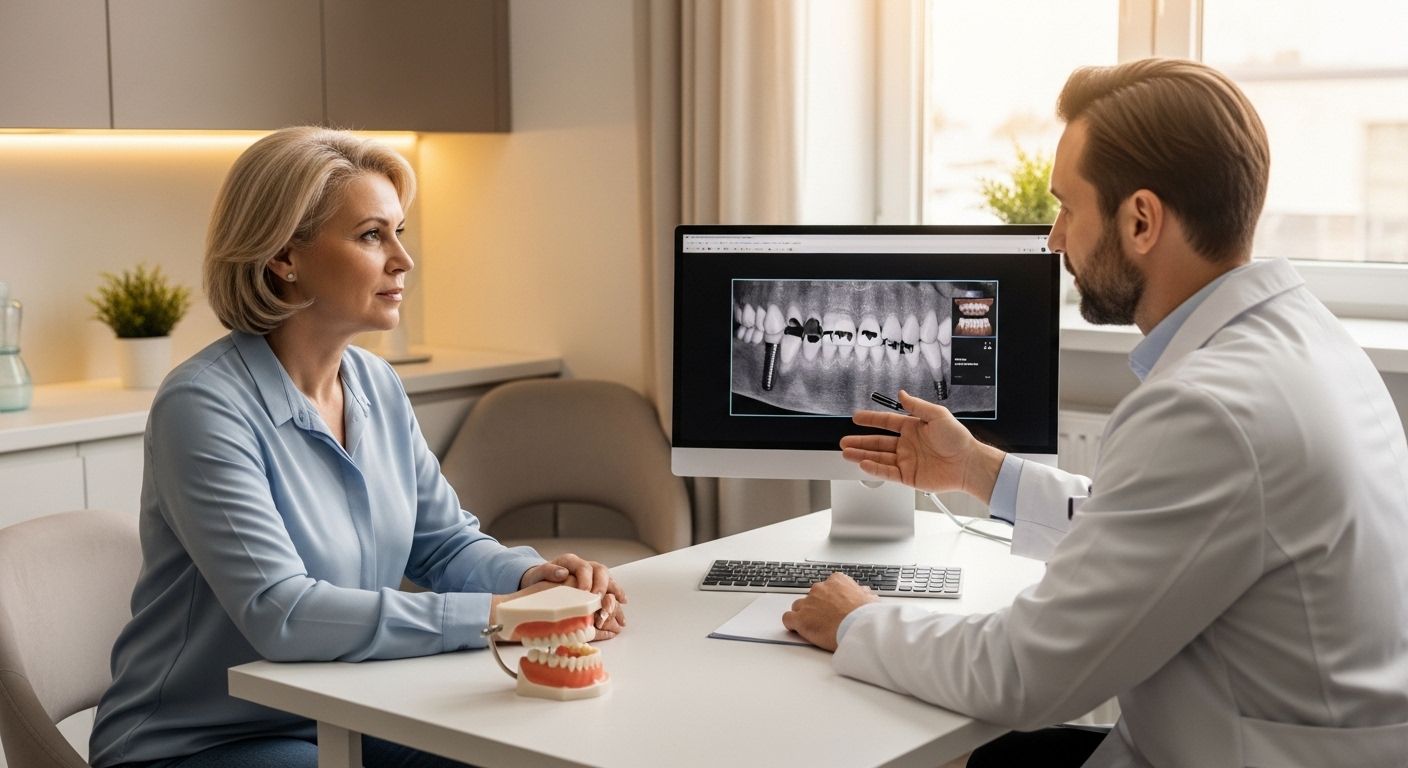
Are you dreaming of a beautiful smile without the hefty price tag? Low cost dental implants might be the ideal solution for you. At Guru Dentistry in Irvine, CA, led by Dr. Vanila Godara , we prioritize affordable dental care to ensure you and your family have access to the treatments you need. Why Choose Dental Implants? Dental implants are a popular choice for replacing missing teeth due to their long-lasting nature and superior function compared to bridges or dentures. They look and feel like natural teeth, allowing you to eat, speak, and smile confidently. Understanding Low Cost Dental Implants Several factors can influence the cost of dental implants, including the materials used, the complexity of your individual case, and any additional procedures necessary, such as bone grafts. At Guru Dentistry, we strive to offer affordable dental implants that fit your budget without compromising quality. What to Expect During the Procedure The dental implant process is usually done in stages, beginning with a comprehensive evaluation. Dr. Godara will guide you through the procedure, which involves placing a titanium post into the jawbone. Recovery includes a brief period of healing, after which the permanent crown is attached, ensuring a seamless blend with your existing teeth. When to Consider Dental Implants If you're experiencing difficulty chewing, noticeable gaps, or discomfort with your current dental solutions, it might be time to consider implants. They offer a reliable and aesthetic remedy for missing teeth. Conclusion & CTA Don't let the cost of dental care keep you from achieving a confident smile. Contact Guru Dentistry today to schedule a consultation and explore low cost dental implants tailored to your needs. Dr. Vanila Godara and her team are here to support your journey to a brighter smile.
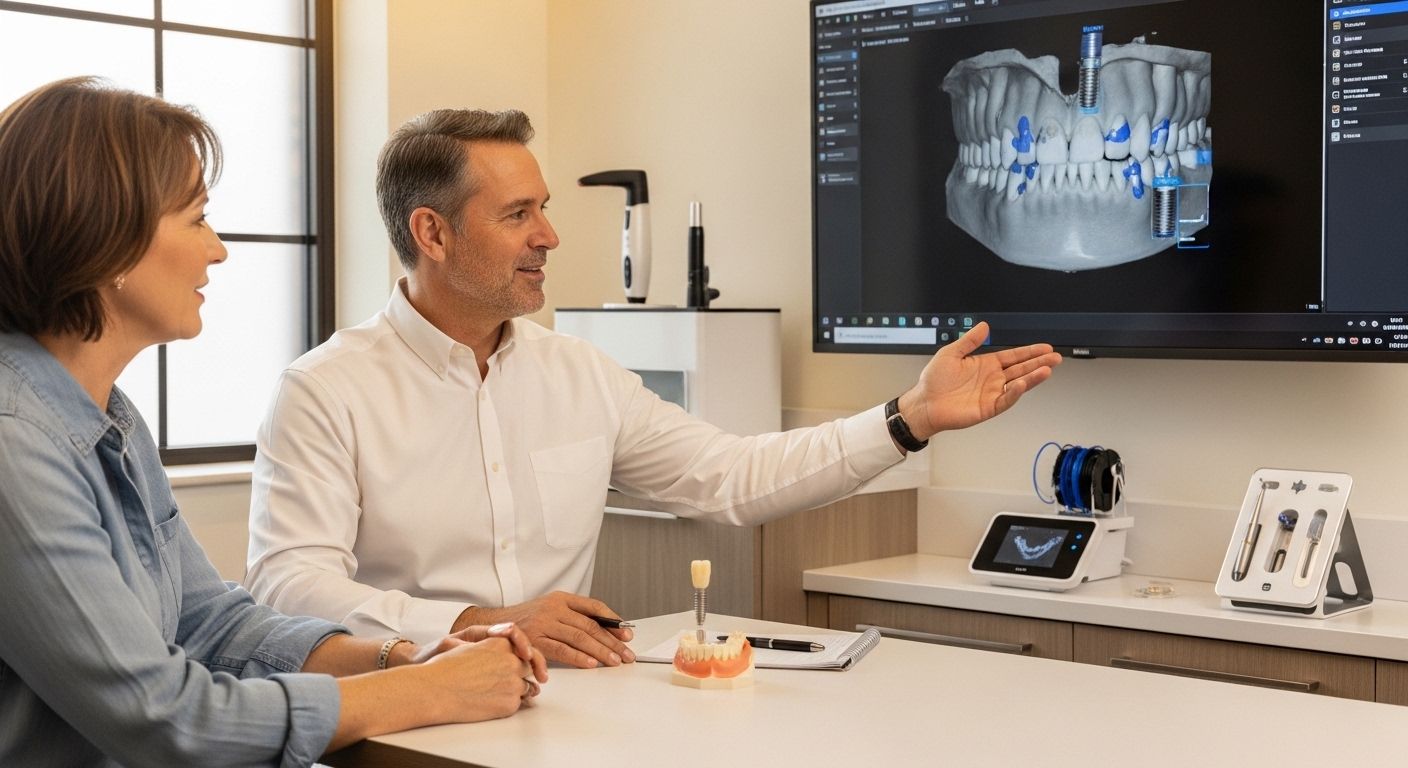
Are you considering dental implants but worried about the financial impact? Discovering the lowest cost dental implants without compromising on quality is possible. Whether you're planning for a single implant or a full set, cost-effective options exist that prioritize your dental health and budget. Understanding Dental Implants Dental implants are a durable solution for missing teeth, serving as artificial roots in the jawbone to support replacement teeth or bridges. Unlike dentures, implants offer a permanent and natural-looking alternative that maintains jawbone health. Determining the Cost of Dental Implants The cost of dental implants can vary widely depending on factors such as the type of implant, the materials used, and the location of the dental practice. Additional procedures, like bone grafting, can also affect the overall price. It's crucial to obtain a detailed treatment plan to understand the full scope of costs. Affordable Yet Quality Dental Options To find the lowest cost dental implants, consider practices that offer a comprehensive evaluation and treatment planning. At Godara, Sunny in Irvine, CA, we ensure that patients receive individualized care that aligns with their needs and budget. Inexpensive dental implants can be achieved by choosing a practice dedicated to quality and patient satisfaction, even on a tight budget. Evaluating Inexpensive Dental Implants Abroad Getting dental implants outside the U.S. may seem like an affordable option, but it's important to weigh the pros and cons. While initial costs may be lower, factors like travel expenses, follow-up care, and potential complications need careful consideration. Ensure the overseas clinic adheres to international health standards before making a decision. Steps to Take Before Choosing Implants Before deciding on dental implants, schedule a consultation for a thorough examination and treatment plan. A qualified practitioner will provide insights into what to expect during the procedure. At Godara, Sunny, our team uses advanced technology to ensure comfort and success. Reach out to us whenever you're ready to explore your options. Don't hesitate to contact Godara, Sunny for a personalized consultation to find out how you can benefit from affordable dental implants tailored to your needs. Our team is here to guide you every step of the way.
